A quiet ongoing demographic change sweeping the greater part of the world in recent decades has increased the need for policy improvements to cope with its implications, particularly as these trends are likely to intensify further in the near future in several countries, including India.
The world-level expectancy at birth increased from 46 in 1950 to over 70 years in 2023. This is reflected in a growing share of the population occupied by persons who are more than 60 years old. It is estimated by 2050 that the people aged 60 years and above will increase to 2.1 billion and will comprise 21 per cent of the global population.
In the context of India, the 2011 census estimated that the number of persons over 60 years age was 103 million and this comprised 8.6% of the total population. According to recent projections, this number is expected to rise very fast to 319 million by 2050 and will then comprise 19.5% of the population. In other words the share of the above 60 year segment in the total population in India is set to more than double from 8.6% in year 2011 to 19.5% in 2050, a very significant change indeed.
What is more, if we look at the even older people over 75 years of age, then their proportion in the total population is set to increase at an even higher rate—by 340% between 2011 and 2050.
Hence it has become of increasing importance to improve policy framework in such a way as to increase significantly the prospects of healthy and satisfactory old age as well ensure the availability of better care to older people.
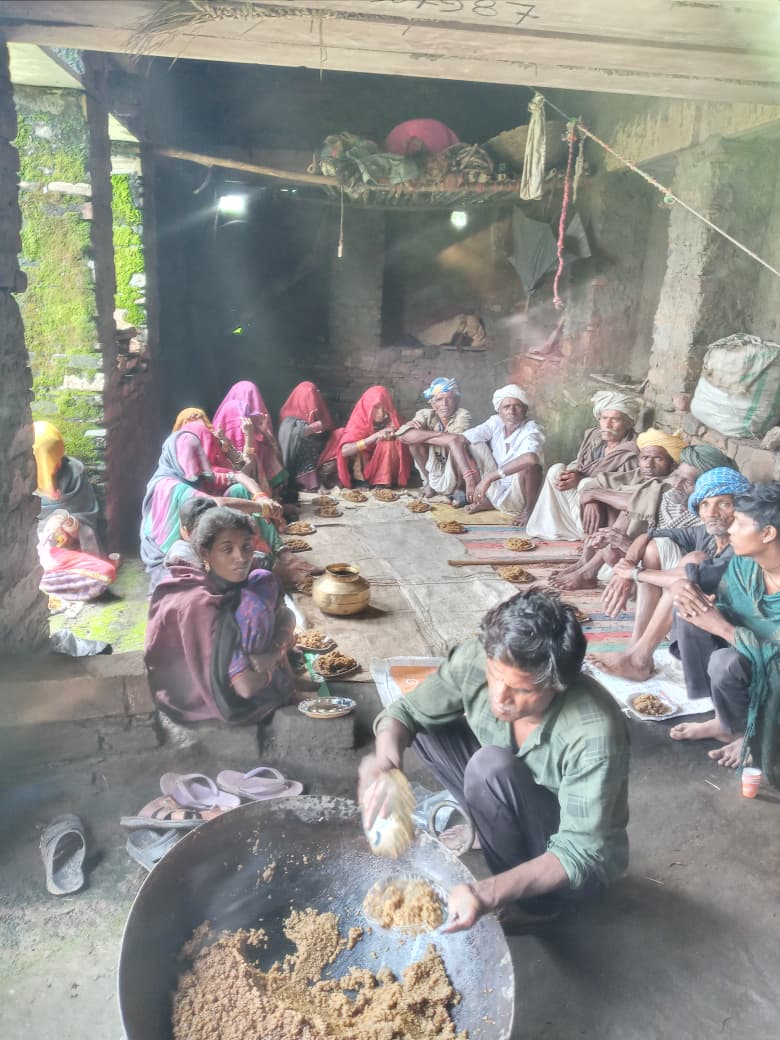
The WHO has asked for the ongoing decade 2021-2030 decade to be observed as the ‘Decade of Healthy Ageing’. The WHO is trying to coordinate global efforts to improve the quality of life for older people, their families and communities. The WHO has been promoting ICOPE (integrated care for older people) approach with emphasis on intrinsic capacity of older people. Better nutrition, physical exercise, arranging for supply of glasses and cataract surgeries whenever needed, providing hearing aids, arranging supply of walkers and walking sticks for those who need them, mental stimulation and games related to this, frequent meetings and conversations among elderly people can all have a useful role in this context. Nutritious food adequate in proteins, calcium and some other nutrients in particular can be very helpful in maintaining health and safety. Avoiding alcohol and tobacco as well as other intoxicants entirely is very beneficial.
While some aspects of improved policy can be recommended for most countries, it is also important to evolve more specific policy recommendations keeping in view the particular situations and conditions of various countries and regions. In the context of the global south, for example, it is important to give more attention to the older people from poorer households and communities. In this context one has to cope with grim realities like the difficulties in arranging for proper nutrition for an important section of older people.
The challenges in India are particularly acute as the numbers we are dealing with here are huge and increasing at a fast pace. Of course India has already done well to take some steps such as the provision of 5 kg. of food grains each for members of poor households. Pensions for poor people are inadequate, despite the additions made to these by state governments. There is room for and need for significant improvements and moving towards universal pensions, as has been demanded by social movements in the past.
In addition there is need for several grassroots initiatives for helping older people in different parts of the country in keeping with their specific conditions and needs. These initiatives must also have an important learning component for understanding the problems of older people in their region and the best possible solutions for these problems and needs as these emerge in the course of discussions with older people as well as with other community members.
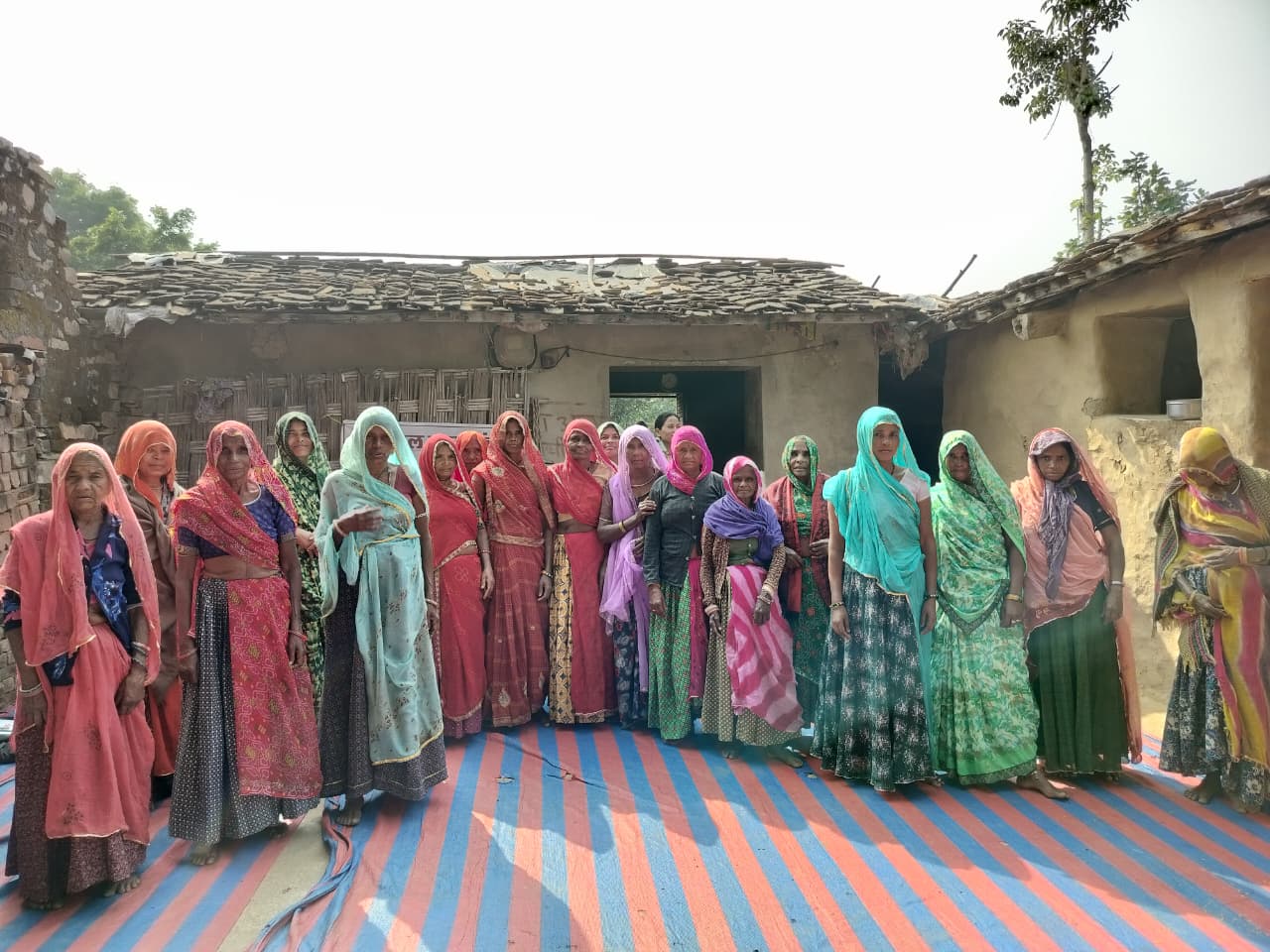
The value of such initiatives is evident from the recent experiences of an initiative for better care of elderly people called Prabal Yatra. This initiative has been taken up by ARTH voluntary organization in about 100 villages of seven development blocks of South Rajasthan. It is evident even within a relatively short period of the efforts, interactions and learnings of this initiative that a wellness centered approach that aims to reduce the incidence of disease and injuries among older people and improve overall physical and mental health and well-being of older people can give very good results in the conditions of this region (and probably many other parts of India), even if this involves a certain extent of de-medicalization.
As community workers inter-act on almost daily basis with older people and other community members in the course of such initiatives, several important insights regarding further good efforts and exciting solutions of existing problems can emerge. A better understanding can emerge regarding what kind of solutions and efforts are likely to get higher support of the wider village community.
Such insights and understanding can be very useful in policy making and for launching wider initiatives for various regions, states and perhaps the entire country. Hence there is a strong case for such grassroots initiatives, with a strong research, documentation and training base, as well as for promoting their closer linkages with policy.
If for example the evidence emerging from several such initiatives indicates that several older people for various reasons are unable to get essential food and nutrition properly then this can become the starting point for planning a significant wider initiative to meet this priority need of older people.
Bharat Dogra is Honorary Convener, Campaign to Save Earth Now. His recent books include Protecting Earth for Children, When the Two Streams Met, Navjeevan and A Day in 2071.