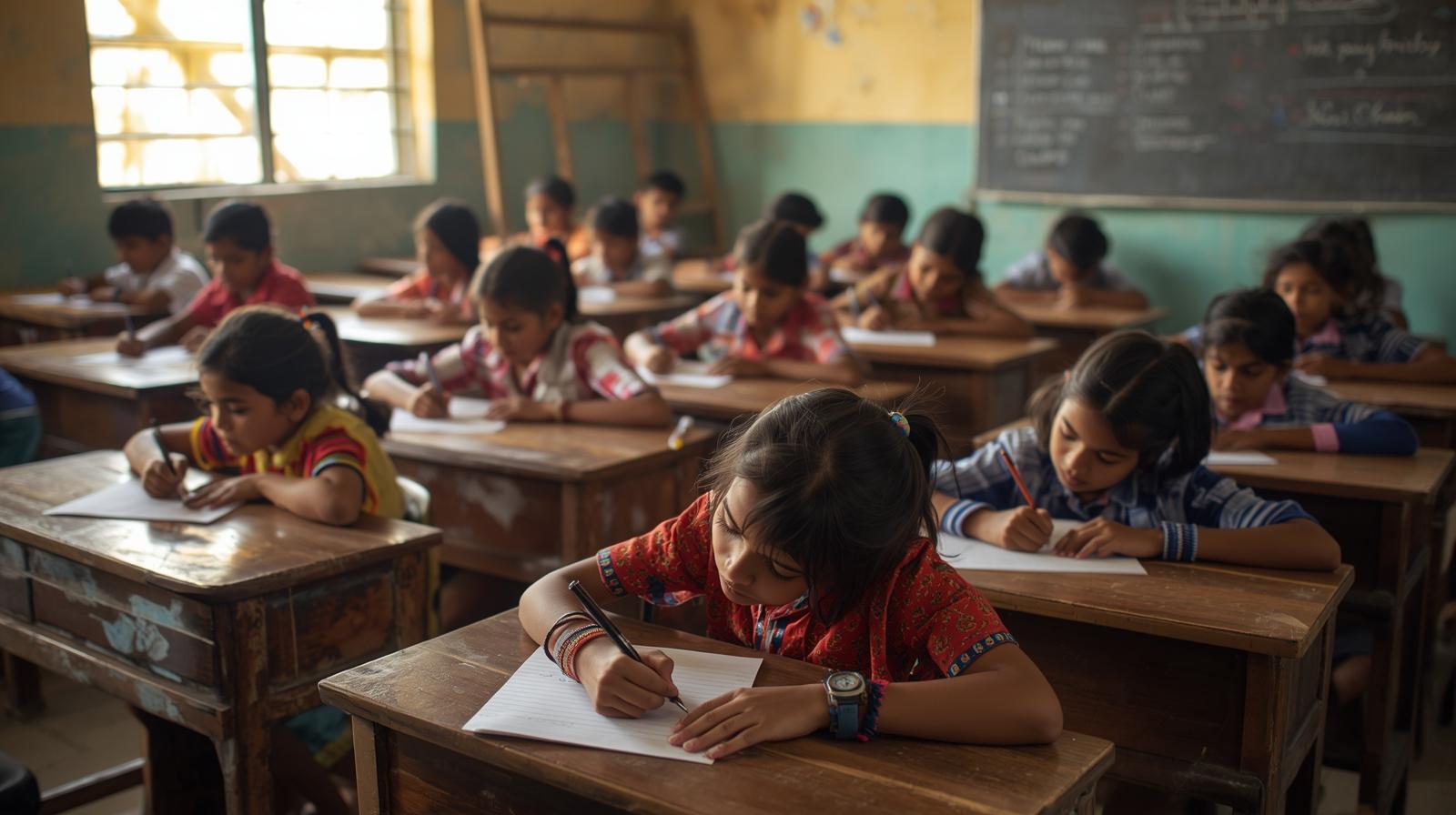
Most students have a “Xerox copy mentality” when it comes to writing as well. To erase that mindset, a very basic but serious step I have taken is this: during textual discussions, students must take note of points using key words and expand them at home in their own English. This discourages copying from guidebooks merely to earn marks.
To achieve my goal of motivating students to be independent writers, I have set two objectives:
- To inculcate the habit of writing regularly
- To inculcate the habit of writing effectively
Process of Writing
A long-term approach toward this goal involves teaching students the process of writing, which consists of pre-writing, drafting, editing, proofreading, and publishing.
What prompted me to adopt this process-based approach seven years ago was the observation that most student write-ups were messy, incoherent, and riddled with grammatical and syntactical errors. As language teachers, we often labor to craft students’ literary output to a “standardized image” using our merciless red ink, but students seldom care about their work once it’s been distorted by our corrections. This mechanical and meaningless process may satisfy our sense of duty, but deep down, we know it’s ineffective.
Therefore, when assigning writing tasks, I now give more importance to quality than quantity. Many of us ask students to write multiple essays per week without having sufficient time to provide meaningful feedback, which leads to mindless writing without planning, organization, or editing.
For the last few years, teaching the process of writing has become an essential part of my creative writing classes.
Integrating Writing with Reading and Speaking Tasks
One major reason why students in our schools lack fluency in speaking and writing is that reading, writing, and speaking skills are practiced in isolation. There is a need for an integrated approach—especially where English is not a home language.
So how do I do that?
I assigned Day 4 of each week for teaching the process of writing. In the first term exam, instead of the usual letter, notice, or invitation writing, I included questions on the process of writing. The results were disappointing—most students performed poorly, revealing that they had blurred and confused ideas about the writing process, indicating lack of revision at home.
To address this, I integrated writing into the pre-reading activity, where students speak on a theme related to the text. They are asked to follow the first step of writing—pre-writing—by brainstorming ideas using a mind map and organizing them coherently with a thesis statement and outline.
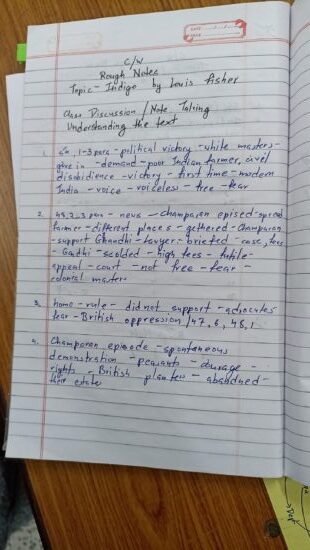
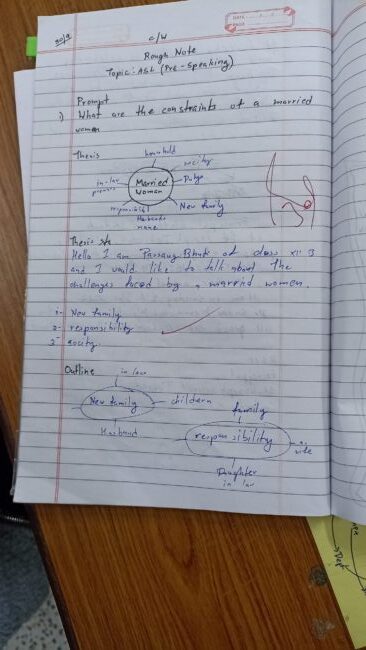
Since they do this daily, my students have nicknamed me “Brainstorm”! I emphasize this step because once students learn to plan their writing, their compositions become richer in content, coherence, and structure.
As a result, from May onwards, after learning the basic writing process, students were assigned to write one essay per week based on a textual theme or topic of their choice.
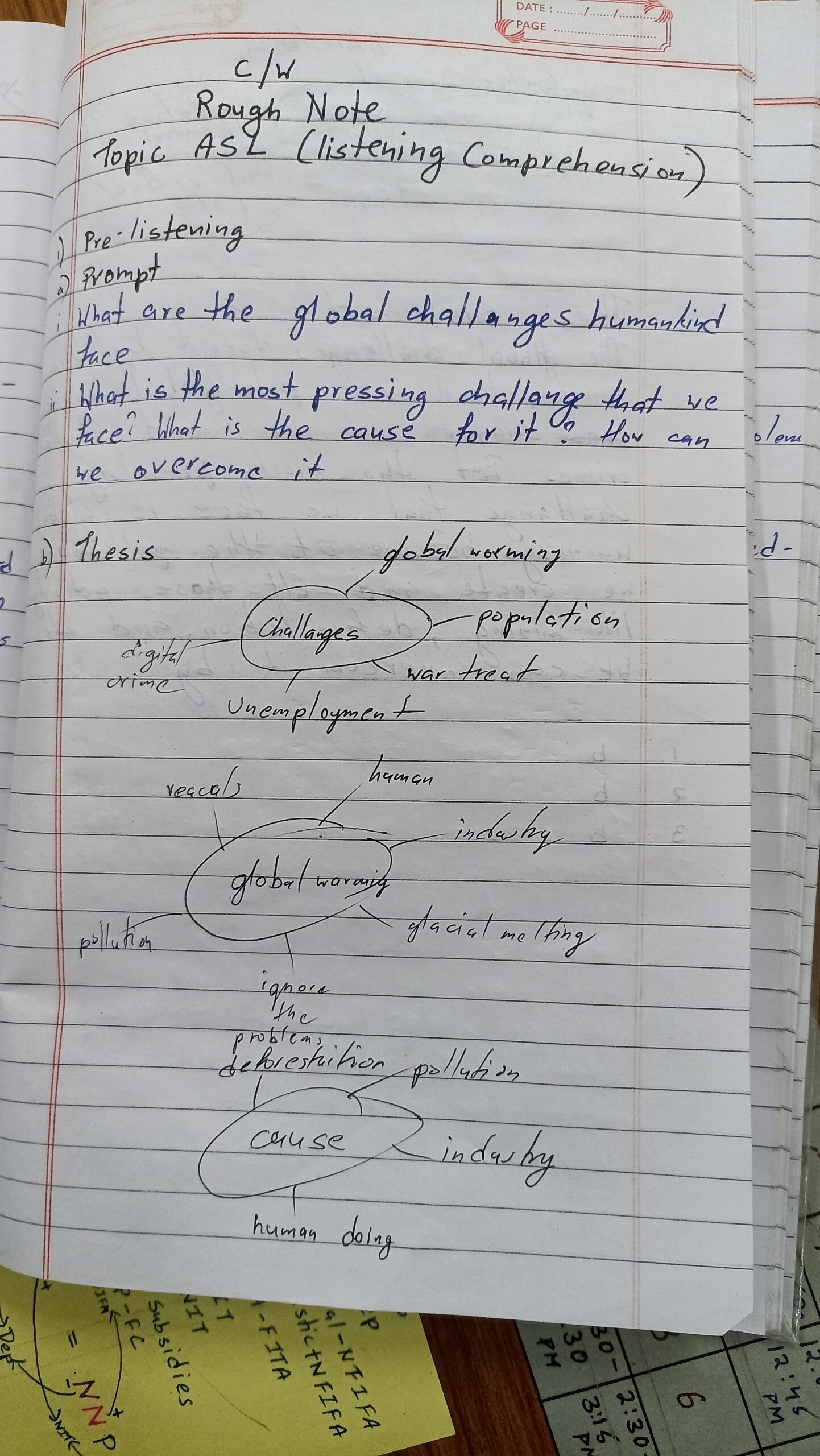
They display these essays in the classroom and submit the best one each month for detailed assessment.
This practice was challenging. Out of 108 marks, the average scores were:
- IX B – 33.4
- IX P – 27.3
- XII A – 28.3
- XII B – 16.8 (out of 96)
Therefore, next year, I plan to conduct an intensive one-month course in March, focusing on the process of writing and essential grammar before starting textbook lessons. This will ensure that students practice writing regularly in class rather than at home.
The Editors of Their Own Errors
A vital part of the writing process is editing, where students learn to refine their work by:
- Adding and deleting ideas
- Using varied sentence structures
- Checking grammatical errors
- Proofreading their final draft
To reinforce this, I guide students to correct grammar mistakes in their writing sections during periodic tests. Instead of directly correcting errors, I indicate them, allowing students to identify and fix issues themselves.
In teaching editing, we completed only the first stage—adding and deleting ideas—because during continuous assessment, students’ pre-writing was unclear, requiring frequent revision. Many students also failed to complete their writing homework, so I had to make them work in class before moving on, causing us to lag behind schedule.
Asking students to edit at home proved ineffective. Hence, next year I will utilize class hours to teach and practice editing, though I still wonder if this is feasible given the pressure to complete the syllabus!
By the time students reach secondary and senior secondary levels, their academic habits are already formed. Our sphere of influence lies mainly between grades 6 and 12. Therefore, I plan to share this practice with my T.G.T and P.G.T colleagues so they can adapt and implement it in their own contexts.
To kill the die-hard Xerox habit, we must start early.
Tenzing Rapgyal is a PGT, English language and literature, Tibetan Children’s Village School, Dharamshala, Distt. Kangra (H.P). He authored books 1. Moments: Love, Loss and Longing-A Collection of Poems 2. What Do Animals Talk About?: Stories, Plays and Essays.